
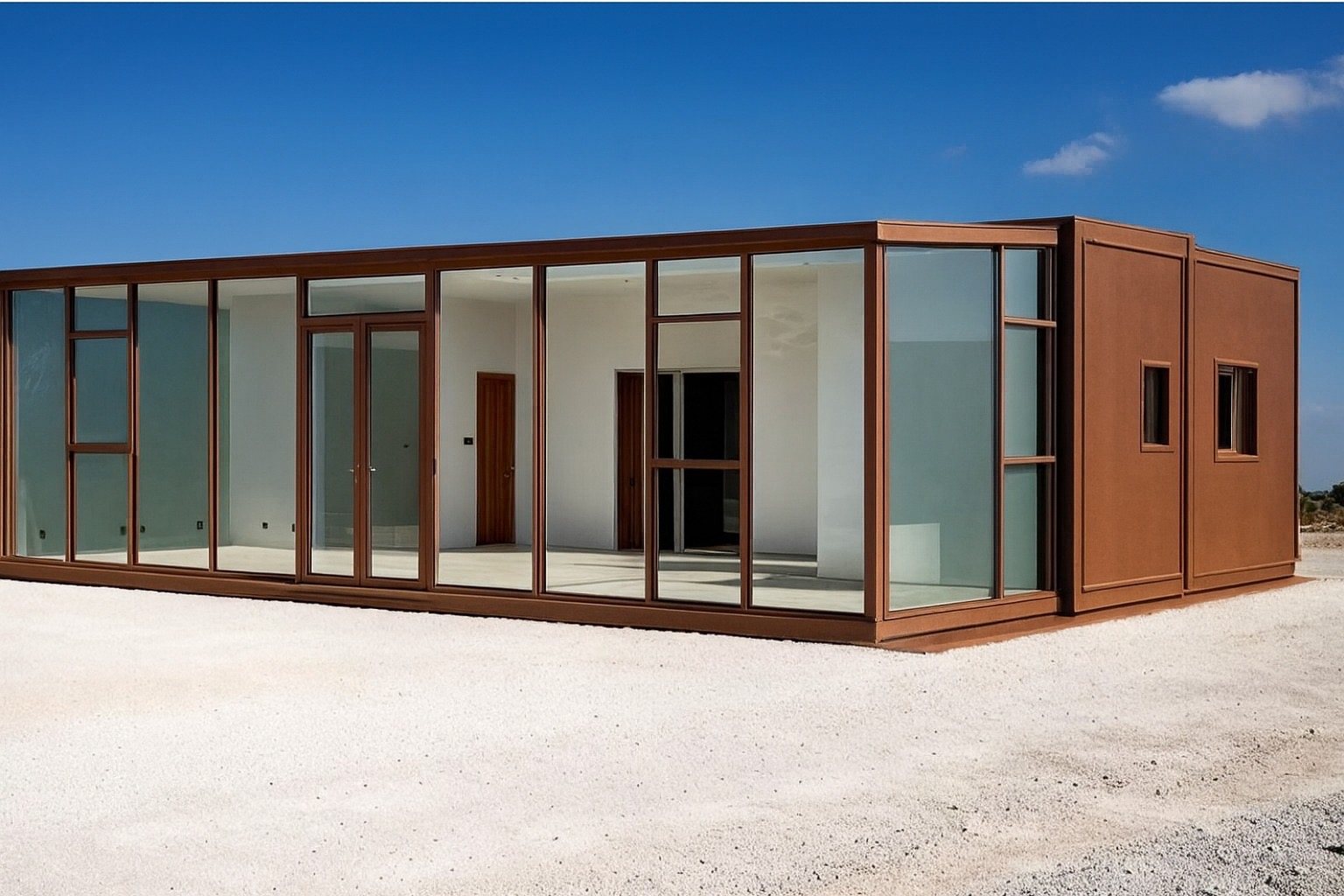
The search problem: prefab ADU cost is not one price
The highest-volume keyword in the imported Semrush packet is prefab ADU. That is a strong top-of-funnel phrase, but it is also a dangerous phrase if the page answers it with a single cheap number. People searching prefab ADU, modular ADU, prefab ADU cost, and prefabricated ADU are often comparing attractive unit prices against site-built construction. If the content does not separate product cost from installed project cost, the visitor may leave with the wrong expectation.
ADU Cost should win this traffic by being clearer than the pages that sell only the dream. A prefab or modular ADU can make the product scope easier to understand because more of the dwelling is designed and assembled before it reaches the property. That does not mean the yard is ready, the foundation is designed, utilities are connected, local review is complete, or the setting equipment can reach the pad. The real cost story is a stack, not a sticker.
What the factory package can tell you
The supplied R-22345 and R-22348 packets give ADU Cost a better evidence base than a normal stock-photo landing page. The 3L package provides model facts such as a 962.40 sf gross area, 931.63 sf net indoor area, an unfolded size of 37.23 by 25.85 by 10.50 ft, and a compact packing width listed in the packet. That kind of information helps a buyer compare real model paths instead of guessing from a rendering.
The factory package line should include the quoted module or dwelling package and the factory-installed scope that is actually part of the supplier quote. For this product story, that can include the model path, the product photos, the fold-out demonstration assets, the state approval packet references, and any selected finish allowances. Those items belong in the product conversation. They should not be used to hide local site work.
What installed cost has to add
Installed cost starts where the product quote stops. A California ADU budget normally needs delivery, final-mile trucking, staging, crane or equipment setting, foundation, anchorage, drainage, water, sewer, electrical work, gas or all-electric decisions, city or county permit fees, inspection timing, and site repair after installation. Some of those lines move with the model size. Others are fixed or semi-fixed costs that can remain meaningful even on a smaller one-bedroom unit.
The R-22345 title sheet itself helps teach this boundary because it calls out site scope: foundation, utility service connections, final module setting, site-installed roofing or sealing items, exterior/site work, and local jurisdiction requirements. That makes ADU Cost different. The site can say the packet shows a factory-built product path, while also telling the buyer exactly which parts still need local pricing.
How to compare prefab ADUs without getting fooled
A buyer should compare three numbers. First is the factory unit package. Second is the site and setting package. Third is the full project planning range with contingency. When one vendor shows only the first number and another shows a more complete installed number, the cheaper quote may not actually be cheaper. It may simply be less complete.
The calculator should become the practical tool after this article. Enter the supplier product number, then leave the local items visible. If foundation, utilities, delivery access, or permit costs are still unknown, the calculator should mark them as unknown instead of swallowing them into a vague allowance. That is how ADU Cost can pull high-volume prefab ADU traffic and turn it into quality quote requests.