City approval path

City ADU permit approval: what still has to happen after state FBH approval.

A state factory-built packet can make the product more reviewable, but the city or county still has to approve how the ADU lands on a specific property. This page explains that local lane without pretending a final city permit already exists.

The core boundary

City approval is property-specific, not product-only.

California has strong statewide ADU rules, but every real installation still has an address, a parcel, a placement area, setbacks, utilities, foundation conditions, drainage, fire access, and inspection sequencing. That is why a factory-built approval packet should be treated as product evidence, not as a substitute for local plan review.

HCD's FBH handbook explains that FBH dwellings are under the jurisdiction of local planning and building departments for installation and assembly once onsite. The same handbook places local zone use, setbacks, property lines, site development, building permits, on-site utilities, grading, foundation, and local inspections into the local enforcing agency lane. That is the page's central message for buyers.

The product can still be powerful. A clear R-22345 or R-22348 packet gives the city reviewer, installer, designer, and owner a better starting point than a blank concept. It can reduce confusion by separating the factory structure from the site work. But a buyer should not hear "state-approved" and assume "ready to install tomorrow." A responsible local approval path starts with the exact jurisdiction and exact parcel facts.

City permit packet usually needs

  • Property address and parcel context
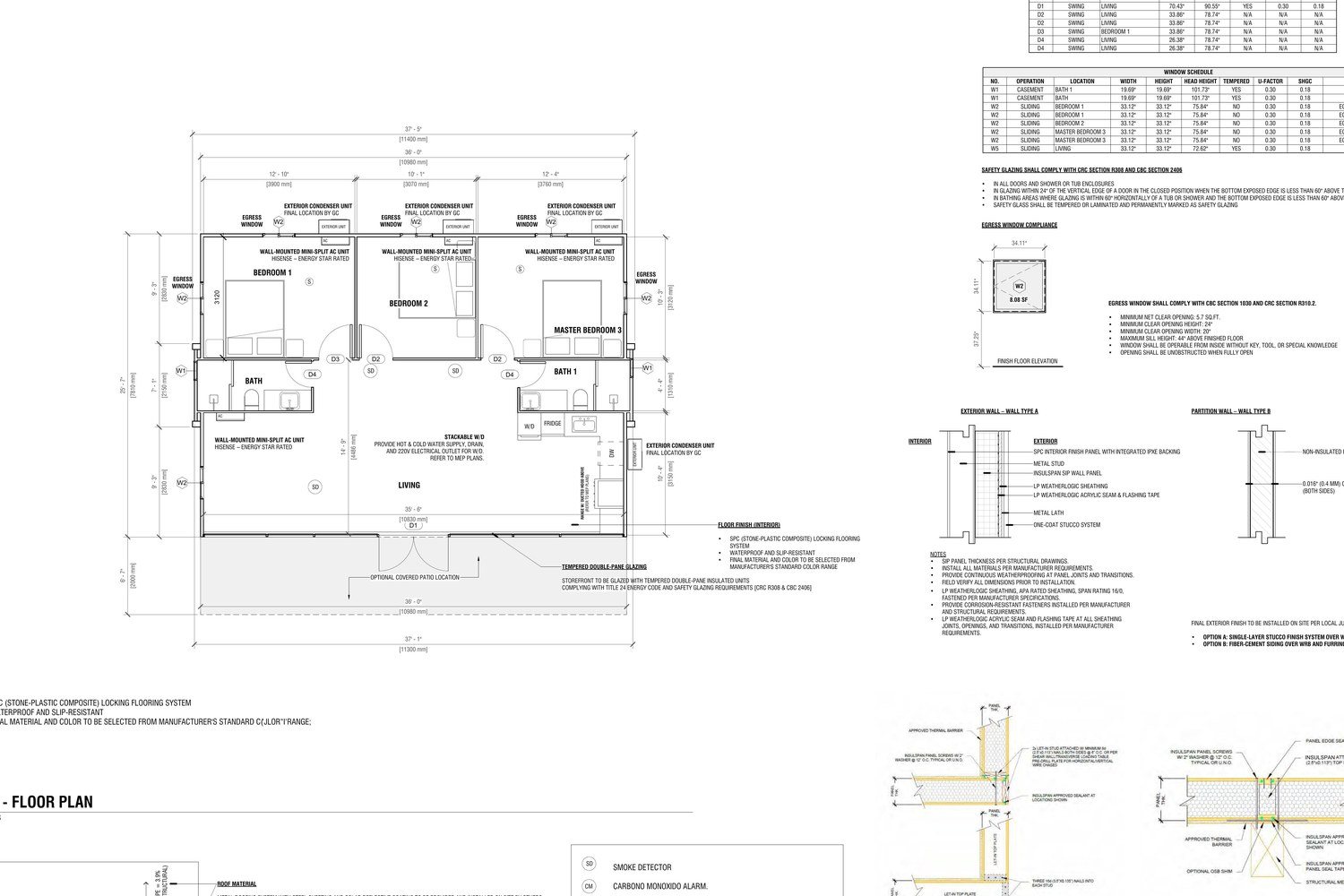
  • Site plan with proposed ADU location
  • Setback and lot coverage confirmation
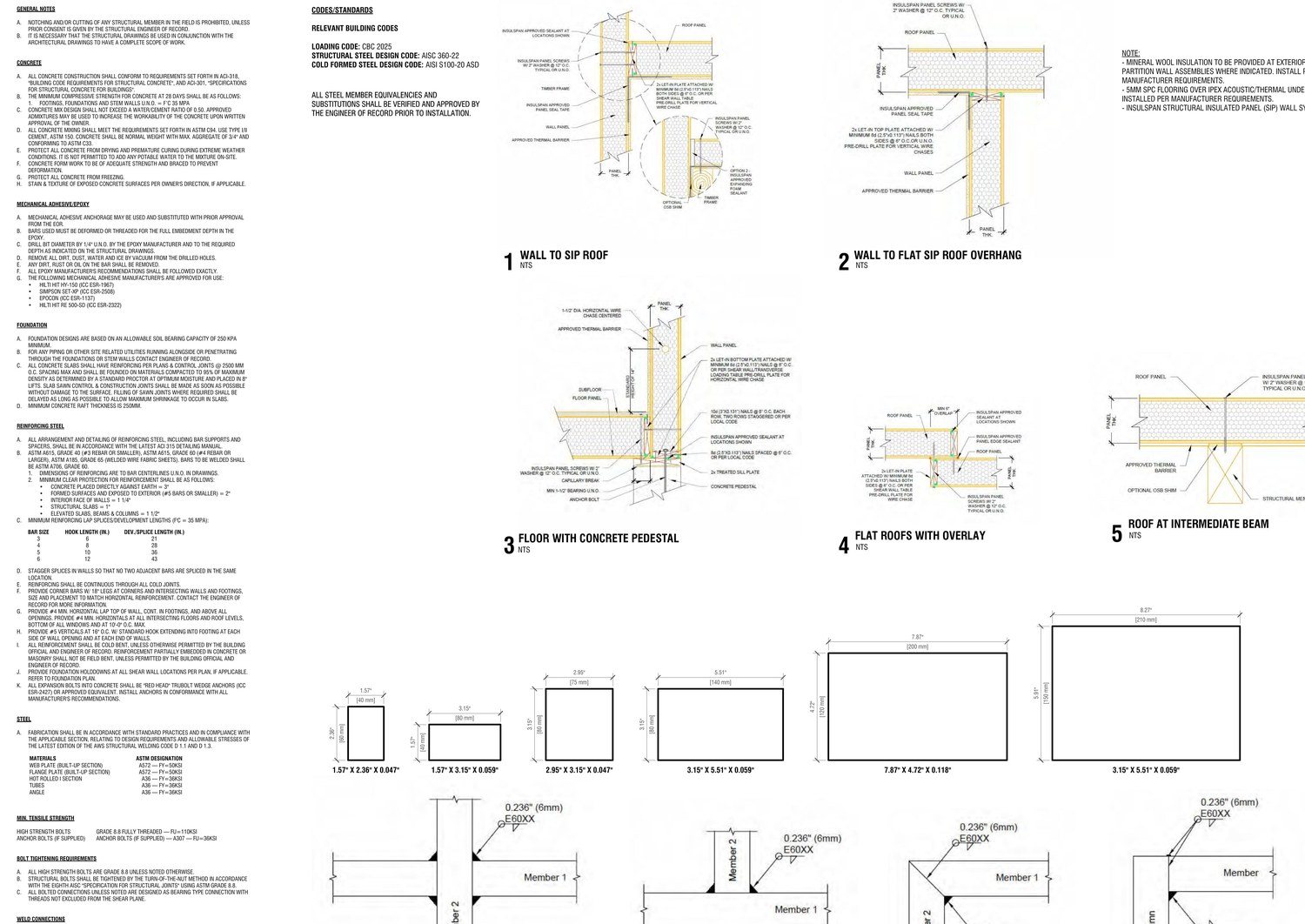
  • Foundation and anchorage design
  • Utility routing and service capacity notes
  • Fire access, drainage, grading, and inspection path
  • Product packet and installation instructions
  • License-verified contractor and trade scope where required

Local approval sequence

How a buyer should think about the city permit path.

01

Start with zoning and eligibility

Confirm whether the property can accept the ADU under state law and local objective standards. The city can ask for property facts that a factory packet cannot answer: lot size, placement, easements, hillside or fire conditions, coastal or historic overlays where applicable, and existing unit count.

02

Build a complete permit submittal

A city review package should include the product plans, site plan, foundation and anchorage details, utility routing, energy and MEP coordination, and any local forms. Beverly Hills, for example, publishes an electronic plan review path that includes ADU plans among the plan types reviewed through the city's process.

03

Use preapproved programs carefully

Some cities, including Beverly Hills, offer preapproved ADU programs. Beverly Hills describes those plans as approximately 70 percent complete for permitting and still requiring owner/designer coordination, building permit application, and site-specific details. That is a useful model for explaining why "preapproved" is not the same as "permit issued."

04

Price plan check and correction cycles

Permits can affect cost through application fees, plan check fees, utility fees, school or impact fees where allowed, resubmittal time, and corrections. The calculator keeps permits and local fees visible because hiding them makes a modular ADU quote look cleaner than it is.

05

Schedule inspections and site work

The local authority reviews and inspects the site work that makes the unit safe in place: foundation, underground utilities, on-site plumbing, on-site electrical, grading, drainage, fire-related items, and final occupancy requirements. That local sequence controls real install timing.

06

Close with written evidence

The closeout should have real proof: approved local plans, permit record, inspection signoffs, installation documentation, and any state FBH insignia or product documents that the local building official needs. Without that evidence, the website should stay in education mode.

Side-by-side

What belongs to state/product review versus city/site review.

State FBH product laneModel identity, factory-built structure plans, manufacturing quality path, approved design basis, factory inspection/insignia path, product packet discipline.
City/site permit laneAddress, parcel constraints, setbacks, foundation, utilities, drainage, fire access, grading, local fees, inspections, final occupancy and closeout.
Where they meetThe installer, designer, owner, and local official use the product packet as part of the permit submittal while still resolving everything unique to the site.

Official sources

City approval research basis.

This page uses HCD's statewide ADU resources, HCD's FBH handbook, Beverly Hills ADU and plan-review pages as a local example, and the supplied R-22345/R-22348 packets. The site does not claim a Beverly Hills or any other local permit has been issued for this product unless that permit document is added later.

No fake city approval

The safe claim is process-ready, not permit-issued.

Until a final local approval is supplied for a specific property, ADU Cost should say that the product packet can support the city permit conversation. It should not say that a city has already approved the ADU for a buyer's lot.